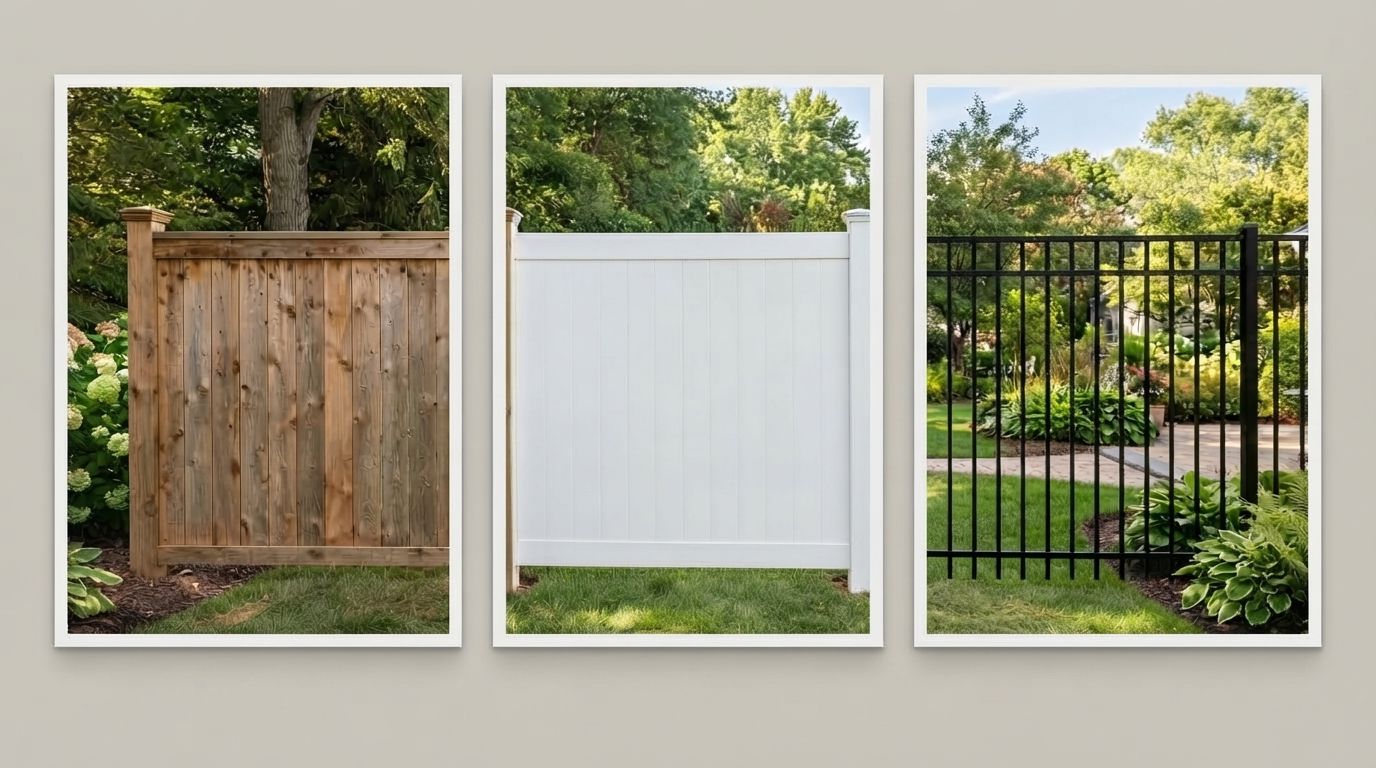
Is Composite Fencing Worth the Investment for Oak Creek, WI Homeowners?
Composite fencing offers the appearance of wood with less routine maintenance, making it an option worth considering for Oak Creek homeowners. Learn how it compares with traditional wood and vinyl fencing, what affects its cost, and how to decide whether it fits your property and long-term plans.
Choosing a new fence involves more than deciding how tall it should be or how much privacy you want. The material you select affects the fence's appearance, maintenance requirements, durability, and overall cost throughout its lifespan.
For homeowners in Oak Creek, WI, changing weather conditions make that decision especially important. Snow, rain, summer sun, and repeated seasonal temperature changes can affect outdoor materials in different ways. A fence that looks attractive when first installed should also suit the property's needs several years down the road.
Composite fencing has gained attention as an alternative to traditional wood because it combines wood fibers with recycled plastics or other polymers, depending on the product. The result is a manufactured material designed to provide a wood-like appearance without some of the maintenance associated with conventional lumber.
But is composite fencing worth the investment? The answer depends on your budget, preferred style, privacy needs, and expectations for upkeep.
What Is Composite Fencing?
Composite fencing is manufactured from a blend of materials, commonly including wood fibers and plastic. Some products are designed to resemble natural wood grain, while others feature smooth surfaces and contemporary colors.
Unlike a traditional wood fence, composite fencing generally does not require routine staining or painting to maintain its intended finish. Many products are also designed to resist moisture-related problems, although performance varies by manufacturer, construction, and installation quality.
Composite fencing is not the same as vinyl fencing. Vinyl is primarily made from PVC, while composite products contain a combination of materials. Both can reduce certain maintenance tasks, but they differ in appearance, construction, price, and product-specific performance.
Understanding these differences helps homeowners compare options based on practical needs instead of choosing a material solely because it looks appealing in a brochure.
Why Composite Fencing Appeals to Homeowners
1. Less Routine Maintenance
One of the biggest attractions of composite fencing is its relatively low maintenance.
A conventional wood fence may need periodic cleaning, staining, or sealing to protect its appearance and help manage moisture exposure. Composite fencing generally eliminates the need for routine staining and painting, although it still needs occasional cleaning and inspection.
For busy homeowners, reducing these recurring tasks can be a meaningful advantage. You can spend less time maintaining the fence and more time enjoying your yard.
However, low maintenance does not mean maintenance-free. Dirt, pollen, algae, and other surface buildup may require cleaning, and damaged boards or hardware still need attention.
2. A Consistent Appearance
Natural wood has character, but its color and texture can change as it ages. Sun exposure, moisture, and differences between boards can produce uneven fading or weathering.
Composite fencing offers a more consistent manufactured appearance. Many styles imitate wood grain, while others provide a clean, modern look that complements contemporary homes.
This can be helpful if you want a coordinated backyard design or prefer a fence that maintains a relatively uniform appearance without repeated refinishing.
Before choosing a color, request samples and view them outside in different lighting. A shade that looks attractive indoors may appear different beside your home's siding, landscaping, and outdoor surfaces.
3. Resistance to Common Moisture Problems
Wood can absorb moisture, and prolonged exposure may contribute to swelling, decay, or other deterioration. Composite products are often engineered to reduce these risks, although the degree of protection depends on the material composition and product design.
For properties in Oak Creek, where fences experience rain, snow, and seasonal changes, moisture resistance deserves consideration.
Still, composite fencing is not immune to damage. Some products can stain, scratch, fade, or become damaged by impact. Installation details, drainage, airflow, and manufacturer maintenance instructions all influence how well the fence performs.
4. A Long-Term Alternative to Repeated Refinishing
The initial price of a fence is only one part of its total cost. Homeowners should also consider the time and money spent maintaining it over the years.
Composite fencing may have a higher upfront price than many basic wood options. However, the reduced need for staining or painting can make it attractive to homeowners who want to limit recurring maintenance expenses.
Whether it ultimately saves money depends on the specific products being compared, installation costs, maintenance habits, and how long the fence remains in place.
A realistic comparison should include more than the purchase price.
Composite vs. Wood vs. Vinyl Fencing
Each fencing material has advantages, and none is the best choice for every property.
Composite fencing: A strong option for homeowners who want a wood-inspired appearance with less routine refinishing. The main tradeoffs are often higher initial cost and the importance of selecting a suitable product.
Wood fencing: Often appealing to homeowners who prefer a natural look, traditional styles, and flexibility in customization. Wood can be economical initially, but its maintenance requirements depend on the species, treatment, exposure, and finish.
Vinyl fencing: An option for homeowners seeking a clean appearance and relatively simple upkeep. Vinyl generally does not require painting or staining, but product quality, impact resistance, temperature-related movement, and appearance should be considered.
When comparing these materials, ask about warranties, expected care, replacement board availability, and how the product is designed to handle local weather conditions. These details may be more useful than relying on broad claims that one material lasts longer than another.
What Affects the Cost of Composite Fencing?
Composite fencing costs vary, so it is better to compare project-specific estimates than assume every installation will fall within one standard price range.
Several factors influence the final investment.
Fence Length and Height
A larger perimeter requires more material and labor. Taller fences may also need different structural components and installation methods, depending on the product and local requirements.
Measure the proposed fence line carefully and consider whether every section needs the same height or level of privacy.
Style and Finish
Simple composite panels may cost less than premium designs with specialized textures, decorative caps, or customized colors. The chosen style also affects how well the fence fits your home and landscaping.
Ground Conditions and Site Preparation
Uneven terrain, existing fence removal, obstacles, and difficult access can increase installation complexity. The condition of the soil and the requirements for posts and footings also affect the work involved.
Gates and Additional Features
Walk-through gates, wider access gates, decorative posts, and specialty hardware add to the overall project cost. If you regularly move lawn equipment, outdoor furniture, or other large items through the yard, plan gate access before finalizing the layout.
Installation Quality
A well-chosen material still depends on proper installation. Posts, spacing, fastening methods, drainage, and allowances for material movement must follow the product's specifications.
Request an itemized estimate that separates materials, labor, removal of an existing fence, gates, and other additional work. This makes it easier to compare quotes accurately.
Is Composite Fencing Suitable for Wisconsin Weather?
Composite fencing can be a practical choice in Wisconsin, but homeowners should evaluate the specific product rather than assuming every composite system performs the same way.
Winter temperatures, snow accumulation, moisture, and summer sunlight all place different demands on an outdoor fence. Some products are engineered for broad temperature ranges, while others have specific installation and care requirements.
Before committing to a system, ask the manufacturer or installer about:
- The product's recommended temperature range and cold-weather performance.
- How the material expands and contracts with temperature changes.
- Whether snow, standing water, or persistent moisture creates special installation concerns.
- The recommended spacing and support requirements for posts and panels.
- Warranty coverage for fading, staining, structural damage, and other defects.
- Approved cleaning products and maintenance procedures.
Avoid piling heavy snow against fence panels whenever practical, and follow the manufacturer's guidance for cleaning and seasonal care. Good installation and appropriate maintenance remain important even with a low-maintenance material.
How to Decide Whether Composite Fencing Is Right for Your Property
Composite fencing may be a good fit if you value a consistent appearance, want to reduce staining and painting, and plan to keep the fence for many years.
It may be less appealing if your main priority is minimizing the initial expense or if you strongly prefer the natural variation of real wood. In those cases, a well-selected wood or vinyl fence may better match your priorities.
Before deciding, ask yourself three questions.
How much maintenance are you willing to do? If you would rather avoid recurring refinishing, composite may be worth a closer look.
How long do you expect to keep the fence? Homeowners planning to remain in their property for an extended period may place greater value on reduced routine maintenance. The financial benefit still depends on the actual price difference and future care costs.
What matters most about the finished appearance? Compare full-size samples, panel designs, and colors against your home's exterior before choosing.
You should also confirm the requirements for your property in Oak Creek. The city requires a fence permit for residential fence installations, and restrictions can affect placement, height, and material choices. Review the current rules before purchasing materials or starting work.
Get More Value From Your Fence Investment
Composite fencing can be worth the additional upfront expense for homeowners who want a wood-inspired appearance and less routine maintenance. Its value depends on the product selected, installation quality, weather performance, and how much ongoing care you want to avoid.
The best decision comes from comparing the complete project cost and practical benefits rather than focusing on material price alone.
If you are considering a new fence for your Oak Creek property, Oak Creek Fence can help you explore available fencing options and choose an approach that suits your privacy needs, design preferences, and budget. Taking time to compare materials before installation can help you make a more informed decision for your home.